
A scanner says a coin's mint authority is revoked. That is good news, and it is one of two switches worth checking on any Solana token before you buy. The other is the freeze authority. This guide explains what each one can do to your tokens, what "revoked" really means, where to check them, and the newer switches that a clean result on both does not rule out. It builds on What Is a Honeypot?, What Is a Rug Pull? and What Is Holder Concentration?.
For the full video explanation, check out this YouTube video:
The Mint Account
Every Solana token has a mint account. It stores the token's supply and two authorities: the key allowed to mint new tokens, and the key allowed to freeze accounts. Either one can be a wallet, a program, or nobody at all.
| Field | What it controls |
|---|---|
| Supply | How many tokens exist |
| Mint authority | Who can create new tokens |
| Freeze authority | Who can freeze and thaw holders' token accounts |
Mint Authority: Who Can Make More
Whoever holds the mint authority can create new tokens of that coin, as many as they want, at any time. Solana's token program treats a mint with a mint authority as having a supply that is not fixed.
New supply hurts holders in two ways.
Your slice gets smaller. You keep the same number of tokens, but they are a smaller share of the coin:
| Your tokens | Supply | Your share |
|---|---|---|
| 10,000,000 | 1,000,000,000 | 1% |
| 10,000,000 | 2,000,000,000 | 0.5% |
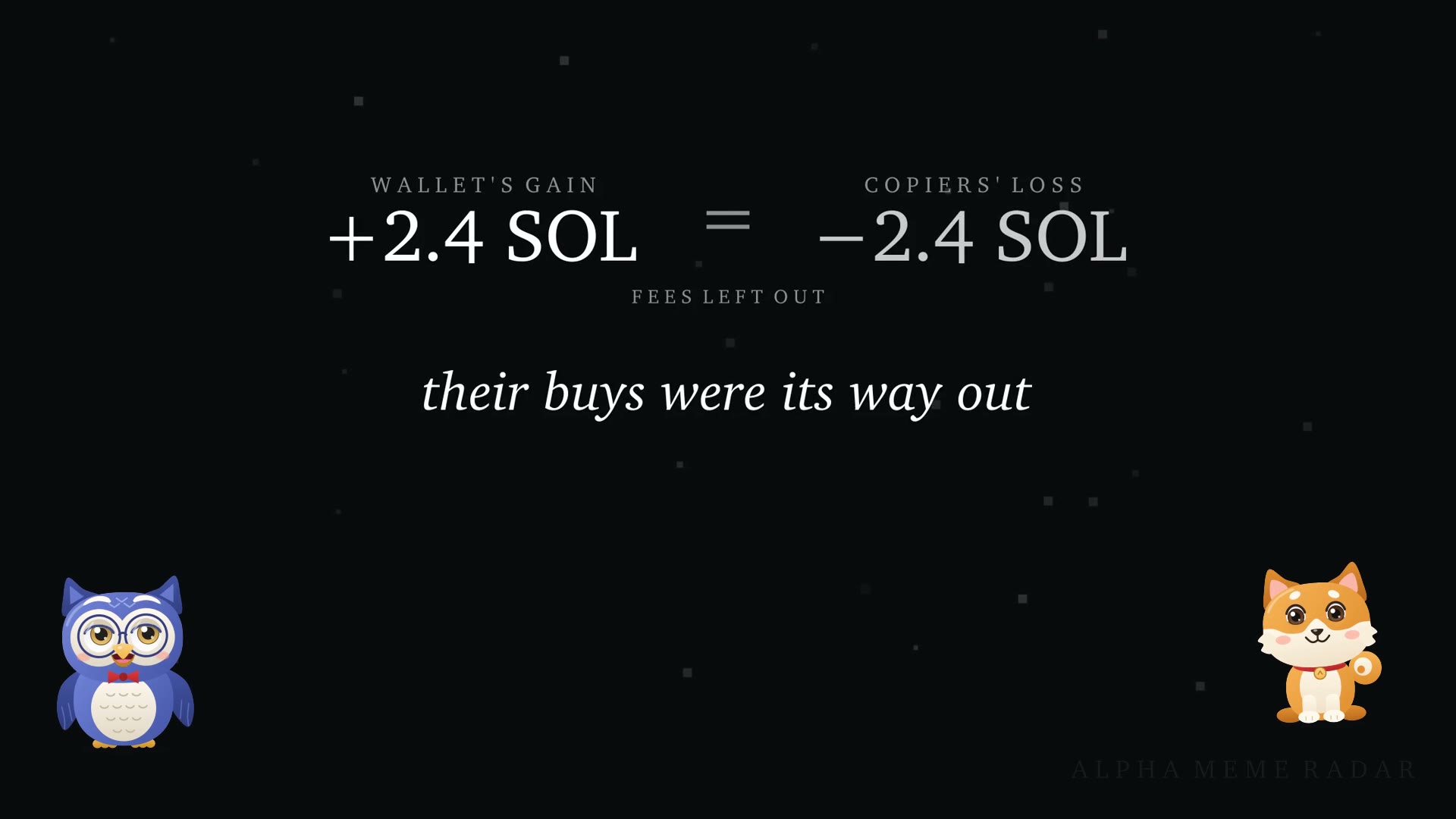
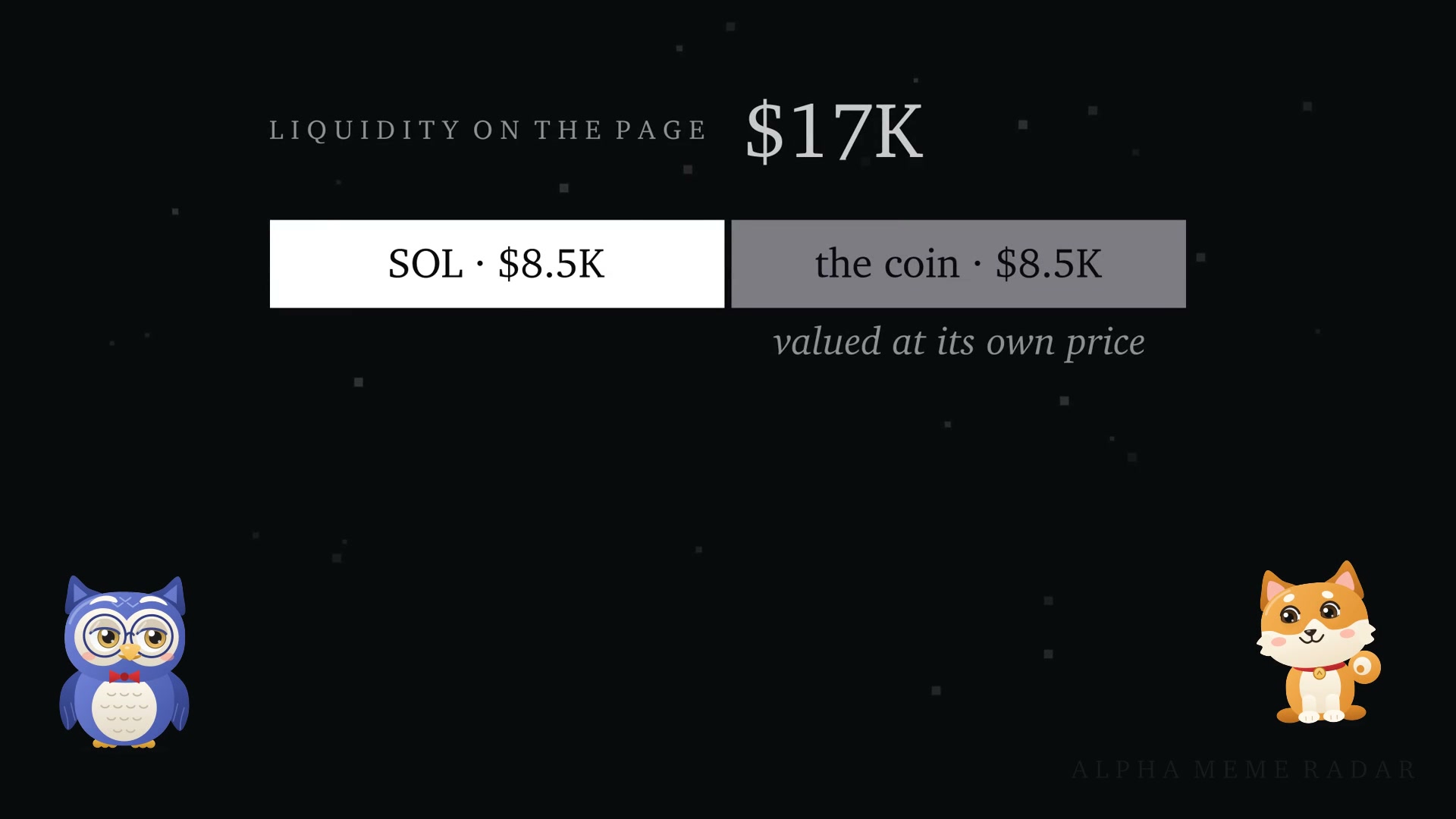
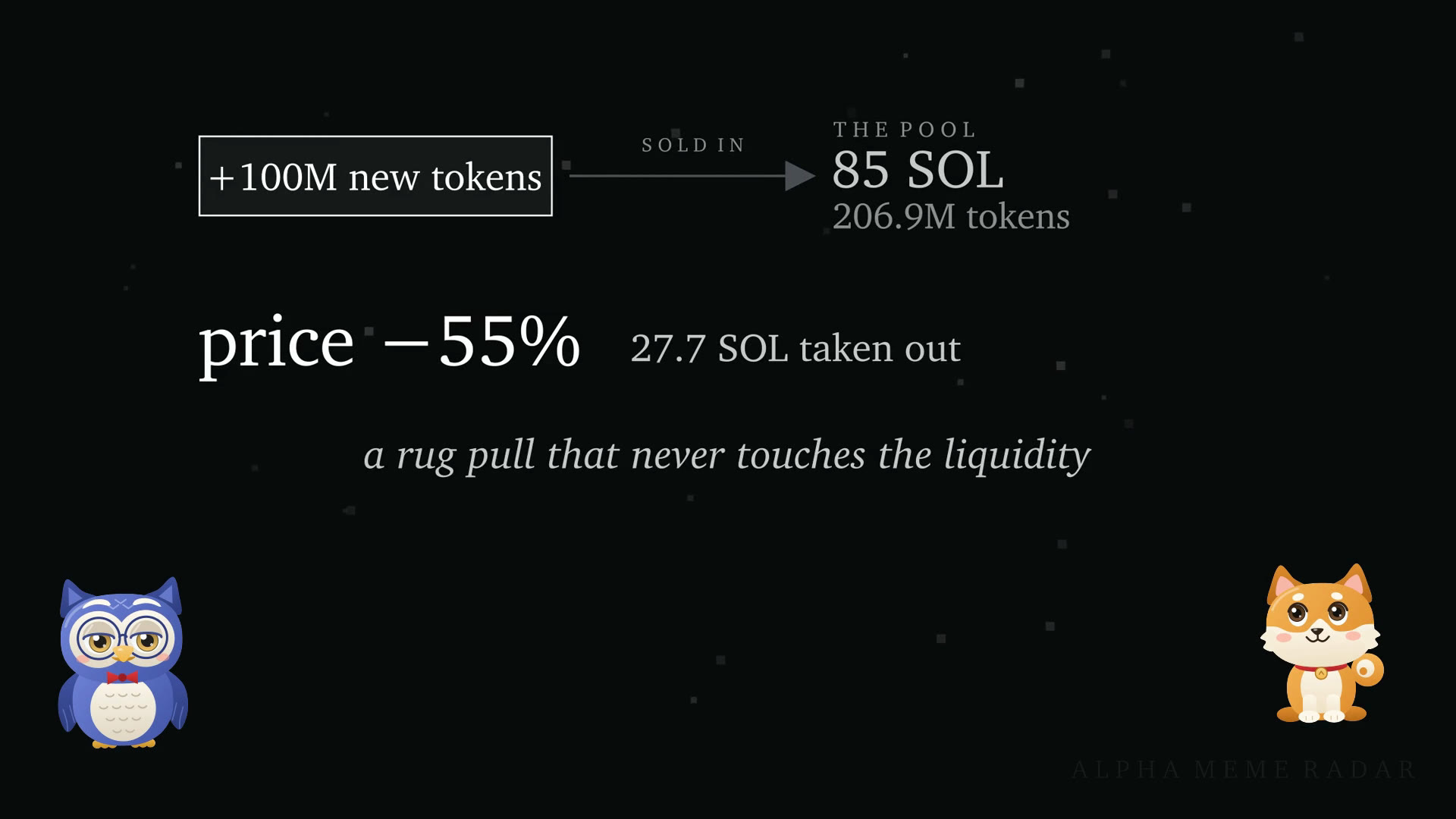
The new tokens can be sold into the pool. Take the pool from What Is a Liquidity Pool?: 85 SOL and 206.9 million tokens. Sell 100 million freshly minted tokens into it and about 27.7 SOL comes out, and the price falls by about 55%. That is a rug pull that needs no one to withdraw liquidity: the sale itself changes the pool's reserves and takes the SOL out. Withdrawing LP tokens is a different way to drain a pool. This one does not show up on the holder list beforehand, because those tokens did not exist until they were minted. (Example numbers, fees left out.)
What "Revoked" Means
Revoked means the authority has been set to none. Nobody holds it, and nobody ever can again. Solana's token program describes setting the mint authority to none as irreversible: no new tokens of that coin can ever be made.
That is different from handing the authority to someone else. An authority can be passed to another wallet, and that wallet can then use it. Only none is permanent. So "mint authority: some wallet" is not the same as revoked, even if the wallet is new or looks unused.
Freeze Authority: Who Can Lock Your Tokens
Whoever holds the freeze authority can freeze any holder's token account for that coin. A frozen account cannot send its tokens anywhere: every token instruction that involves it fails until it is thawed. You cannot sell, and you cannot move the tokens to another wallet.
The same key can thaw an account again, so a frozen wallet stays stuck for as long as the holder of that key chooses.
This is one way to build a honeypot. The difference from the tricks in that guide is that the switch sits on the token itself, where anyone can check it before buying.
If the freeze authority is set to none, freezing and thawing by authority are switched off for good. No account of that coin can be frozen or thawed by anyone. The one exception is the default account state extension covered below: a coin that set new accounts to frozen before its freeze authority was revoked can still create frozen accounts.
That does not thaw accounts that are already frozen. Thawing needs the freeze authority, so an account frozen at the moment of revocation stays frozen. Check the freeze authority before you buy, not after.
Where to Check
The mint account holds two fields, the mint authority and the freeze authority. If one is none (or empty), that switch is gone. If it holds an address, the authority is still set and can still be used. That address may be a wallet or a program (see the mint account section above) rather than a person's key.
Token scanners check both as well. Solana Tracker's risk score lists both as danger factors. Its table assigns freeze authority a relative factor strength of 7,500 and mint authority 2,500. Those are factor strengths, not the final user-facing score or its weights.
What pump.fun Coins Do
We checked the chain rather than assume. In the creation transaction of the pump.fun coin we traced, pump.fun's program:
- creates a new Token-2022 mint, with its own program as mint authority and no freeze authority,
- mints the whole supply of 1,000,000,000 tokens to the coin's bonding curve,
- sets the mint authority to none,
all in the same transaction, before the creator's first buy.
On 18 pump.fun coins we looked up on November 23, 2026 (14 already trading on PumpSwap and 4 still on the bonding curve), both the mint authority and the freeze authority were none.
So on those coins, these two checks pass by default. A coin made somewhere else can keep either switch, so check every coin, not just the launchpad.
Other Switches: Token-2022 Extensions
Both switches off does not mean nothing else can happen. Newer tokens can use Token-2022, which adds optional extensions to the mint. A few of them give someone power over holders' tokens:
- Permanent delegate. A key that can move or burn any amount of tokens from any holder's account, without asking. Solana's own docs say the feature "certainly has room for abuse".
- Transfer fee. A cut withheld on every transfer, which an authority can change.
- Transfer hook. The creator's own program runs on every transfer, and if it fails, the transfer fails. It can be used to approve some transfers and block others.
- Default account state. New token accounts can start out frozen.
- Non-transferable. Tokens that cannot be sent to anyone else.
The mint account lists these as its extensions. The 18 pump.fun coins we checked carried only two: a metadata pointer, which says where the coin's details are stored (the mint itself), and token metadata, which holds the coin's name and details.
What This Guide Does Not Cover
The update authority on a token's metadata, tokens on chains other than Solana, and pump.fun coins older than the ones we checked. The dilution and price-fall figures are example numbers with fees left out.
Key Takeaways
- Mint authority on means more supply can appear, diluting holders and draining the pool when it is sold.
- Freeze authority on means your tokens can be locked so you cannot sell or move them.
- Revoked means set to none, for good. Passed to another wallet is not revoked.
- On the pump.fun coin we traced, both were none from the creation transaction. On the 18 coins we sampled, both were none when we checked.
- After both switches, check the extensions: permanent delegate, transfer fee and transfer hook can do things the two authorities cannot.
This article is for education only and is not financial advice.